By Chelmsford Dental Associates | August 17, 2026
Chelmsford residents have convenient access to lasting solutions for missing teeth. At Chelmsford Dental Associates, Dr. Shah helps patients understand what to expect from dentures in Chelmsford and how proper daily care can extend their lifespan. Recognizing when dentures need an adjustment, reline, repair, or replacement can support comfortable eating, clearer speech, and better oral health.
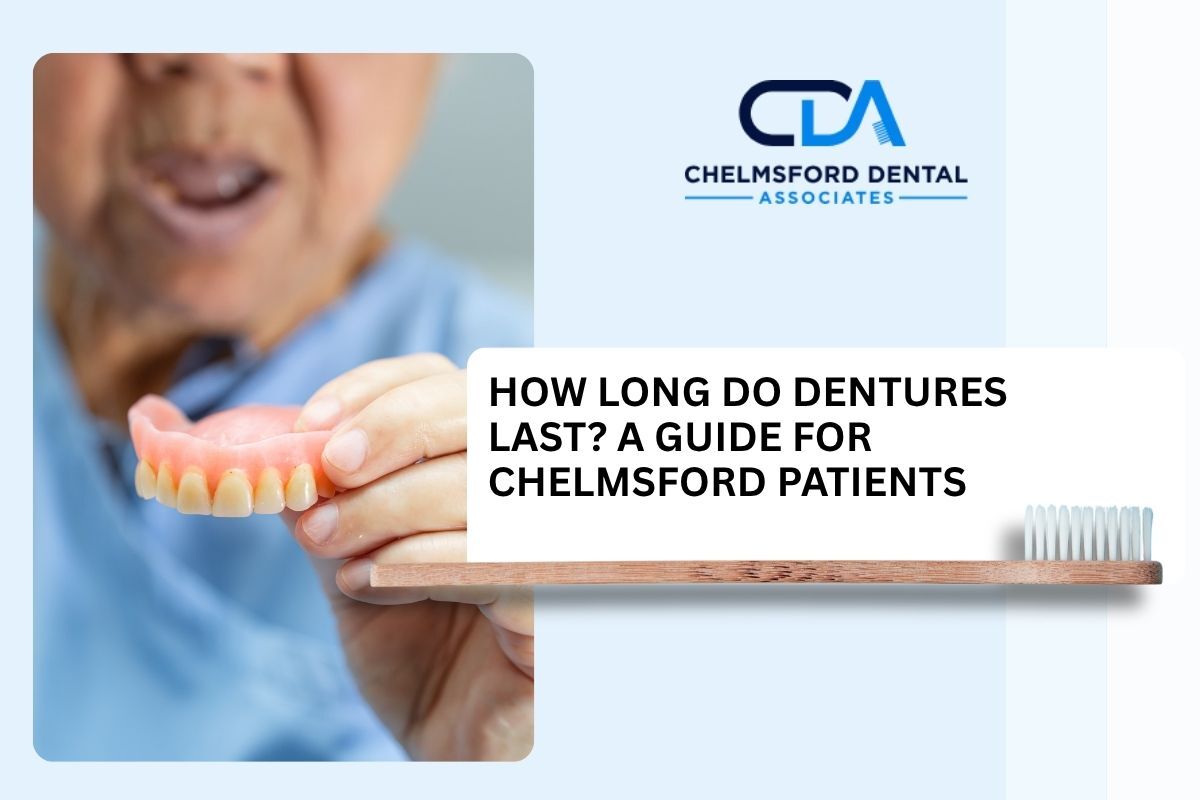
Dentures typically last 7 to 10 years, but their lifespan varies from person to person. The denture material, fit, cleaning habits, bite pressure, and natural changes in the jawbone can all affect how long they remain comfortable and functional.
Why Does a Removable Tooth Replacement Wear Out?
Artificial teeth and acrylic bases face pressure every time you bite or chew. Years of use can flatten the chewing surfaces, weaken the base, or alter how the upper and lower teeth meet.
Your mouth also changes after tooth loss. The jawbone gradually loses volume because tooth roots no longer stimulate it. Gum tissue can change shape as well. As a result, an appliance that once felt secure may eventually move, rub, or trap food.
Age alone does not determine when you need a replacement. A dentist should evaluate its stability, condition, appearance, and effect on the tissues inside your mouth. The American College of Prosthodontists recommends an evaluation when a removable prosthesis has been in use for more than 5 years or exhibits problems such as instability, cracking, poor retention, or chronic irritation.
Do All Dentures Have the Same Lifespan?
Different tooth-replacement designs face different types of wear:
- Complete appliances: These replace all teeth in the upper arch, lower arch, or both. They commonly need to be replaced after 7 to 10 years because changes in the jawbone can reduce their fit.
- Partial appliances: These fill gaps while using remaining teeth for support. Their longevity depends on the health of those supporting teeth, the framework, and the bite.
- Immediate appliances: These are placed directly into the mouth after extractions. Healing changes the gums and bone quickly, so they often need adjustments or a reline.
- Implant-supported options: Dental implants can improve stability. However, the removable or fixed prosthetic component still faces wear and may eventually need maintenance or replacement.
The practice offers complete, immediate, partial, repair, reline, rebase, and implant-supported options, allowing care to reflect the condition of the mouth and the patient’s functional needs.
What Factors Affect Denture Longevity?
Several factors can shorten or extend the service life of a removable prosthesis.
Daily Cleaning
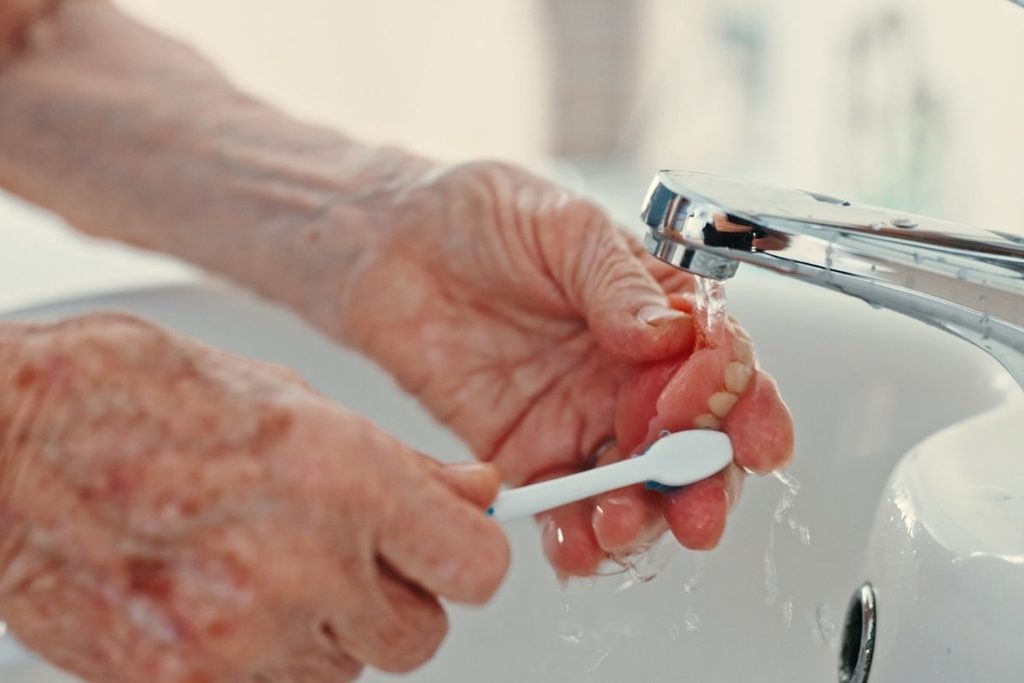
Plaque, food debris, stains, and calculus can collect on artificial teeth. Brush the appliance every day with a soft denture brush and a nonabrasive cleanser. Regular toothpaste may scratch acrylic surfaces.
The American Dental Association recommends daily soaking and brushing with an appropriate cleanser. This routine helps reduce biofilm, bacteria, and fungi.
Handling and Storage
Clean the appliance over a folded towel or a basin filled with water. This step can reduce the chance of breakage if you drop it. Follow the manufacturer’s soaking instructions and avoid hot water, which may distort the base.
Changes in Oral Health
Weight changes, bone loss, gum inflammation, dry mouth, and the loss of supporting teeth can affect fit. Certain health conditions and medications may also change saliva production or tissue health.
Regular Checkups
Routine examinations allow your dentist to assess the gums, remaining teeth, bite, fit, and the condition of any appliances. These visits also support oral cancer screening and help identify irritation before it becomes more serious.
Can a Reline Extend the Tooth Appliance’s Life?
A reline adds material to the inner surface so the base follows the current shape of the gums more closely. This procedure may improve comfort and retention when the appliance remains structurally sound.
A rebase replaces most of the acrylic base while keeping suitable artificial teeth. A repair addresses a fracture, damaged clasp, or lost tooth. These services can extend function, but they cannot correct every problem.
Dr. Shah can examine the appliance and explain whether maintenance or replacement offers the more predictable result. If it rocks, causes sore areas, or affects chewing, visit our dental office instead of relying on increasing amounts of adhesive.
Signs You May Need New Dentures
Schedule an evaluation if you notice:
- Persistent looseness, slipping, or clicking
- Painful gums, sores, or recurring inflammation
- Difficulty chewing foods that you previously managed
- Changes in speech or facial support
- Cracks, worn teeth, stains, or a damaged base
- Frequent need for adhesive
- A bite that feels uneven
- An appliance that has served for more than five years without evaluation
Do not attempt a home repair with household glue. These products can damage the material and expose your mouth to unsafe substances.
Protect Your Comfort and Smile in Chelmsford
A well-fitting tooth replacement should support comfortable eating, clear speech, and a confident smile. Regular examinations and proper denture care can identify wear early and help you avoid preventable discomfort.
For a dental evaluation, book an appointment with our Chelmsford dentist and learn whether an adjustment, reline, repair, or replacement fits your current needs.
Frequently Asked Questions
1. Can dentures last longer than 10 years?
They sometimes remain intact for more than 10 years, but the mouth may change even when the appliance looks acceptable. Regular evaluations help determine whether it still supports comfortable chewing, stable function, and healthy oral tissues.
2. How often should I have the fit checked?
Schedule routine oral examinations according to your care provider’s recommendation. Seek an earlier assessment if the appliance slips, causes sores, traps food, or changes your bite.
3. When should I see a dentist about a loose appliance?
Arrange a visit as soon as looseness affects eating, speaking, or comfort. Early care may allow an adjustment or reline before continued movement causes greater tissue irritation.
4. Does denture adhesive fix a poor fit?
Adhesive may add temporary retention, but it cannot correct worn material or changes in the jaw. Frequent or increasing use may signal that you need a professional fit assessment.
5. Should I sleep with my removable teeth in place?
Removing the appliance at night usually gives gum tissues time to rest. Follow your care provider’s instructions, especially after extractions or during a specific healing period.
6. What should I do if the base cracks?
Stop wearing it if the crack creates a sharp edge or unstable fit. Keep every piece, avoid household glue, and request a repair assessment promptly.