
Dental Fillings for Quick and Painless Cavity Treatment
Nearly all patients will receive a cavity at some point in their lifetime. To treat a cavity, dentists use a procedure called a dental filling. Generally, it is a painless and quick procedure. Your filling works to prevent additional tooth decay and allows the affected tooth to function as it normally would.
Types Of Dental Fillings
Here are some of the more common options for dental fillings:
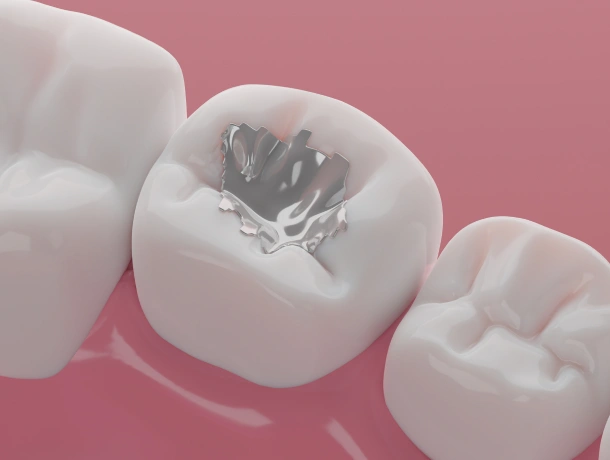
Silver-Color Fillings
These are a mixture of metal that combines mercury, tin, silver, and copper.
Gold Fillings
This is a more expensive option as the fillings are a mixture of gold, copper, and other metals.
White Fillings (Composites)
A mix of glass or quartz particles and acrylic resin, these have a color that resembles your natural teeth.
Glass Ionomer Fillings
Another tooth colored-filling, this option is less sturdy than composites. These are made of acrylic and a specific glass that contains fluoride, an ingredient in toothpaste that helps prevent cavities. Glass ionomer fillings are frequently utilized for children's teeth.
Porcelain Fillings
Like gold fillings, these are developed in a lab after your dentist makes impressions of your teeth, though they are more natural in appearance.
How Dental Fillings Are Done
Most patients will have their dental filling applied in an hour or less and a simple filling can be completed in 20-minutes. With improved technology, dentists are now able to make inlays and onlays in a single appointment; however, a larger filling or several fillings can require more time. It will also be determined by what materials you decide to use for the dental filling, as some options will demand additional time or a second appointment.
- First, your dentist will examine your mouth and utilize dental instruments to inspect the cavity. To see how much tooth decay has occurred, they will take an X-ray of your tooth.
- You will then receive a local anesthetic to numb the tooth area, which will prevent any discomfort. If the dental filling is on the tooth surface, your dentist might not need anesthetic.
- After the area is effectively numb, your dentist will drill through the tooth enamel to remove the decay. Some dentists use a laser or air abrasion tool for this procedure, but that is less common than a drill.
- Your dentist will sterilize and prepare the area for the filling. They will then fill the hole. Certain types of fillings are hardened or fixed with a blue wavelength light.
- To complete the procedure, your dentist will polish the tooth and ensure your bite is functioning properly.
When the numbing effect diminishes, your tooth might experience slight soreness or sensitivity following the filling. You should not feel any discomfort, but it is recommended that you avoid extremely hot or cold foods and beverages for up to two days.
Dental Fillings for a Child
Children also commonly experience cavities, even if they have great oral hygiene and a healthy diet. Dental fillings for children are often completed as quickly as they are for adults, although there are a few additional factors to consider.
For example, children under the age of five might need anesthesia if they are unable to sit still for the duration of the treatment. Due to this, your child's appointment might be longer, especially if they need to recover afterward from the anesthesia.
You can discuss your child's necessary accommodations with your dentist and also confirm how long the filling process will take.
Recovering After a Dental Filling
Most patients will notice that their dental fillings heal swiftly and without complications. As the anesthetic effect lessens, your tooth might experience sensitivity for a day or two. You can limit tooth sensitivity by following these steps:
- chewing on the other side of your mouth for two days
- gently brushing and flossing around the filling
- avoiding hot or cold foods and beverages
- avoiding acidic foods
- brushing with a desensitizing toothpaste
- asking your dentist about a nonsteroidal anti-inflammatory prescription
Inform your dentist if your bite feels misaligned or if you experience any extensive pain or sensitivity. Your dentist can modify the filling surface to correct your bite.

Pain Following a Dental Filling
When the filling is completed, you may experience slight discomfort in the area near your dental work for a few hours. If you are highly uncomfortable, you can take an over-the-counter pain reliever or apply a small amount of heat or an ice pack to your jaw.
Anesthesia wears off completely in two to seven hours, so you might feel slight discomfort as your nerves regain their normal function.
You are encouraged to avoid acidic foods, sticky foods, and cold foods for a day or two to ensure that the cavity is completely sealed and that you do not experience further discomfort.
How to Know if You Need a Dental Filling
Routine dental checkups allow your dentist to identify a cavity early and offer immediate treatment, which will provide you with a superior and more comfortable outcome (treatment will be less invasive than if you were to visit your dentist less regularly and the issue is discovered at a more advanced stage). Symptoms of a possible cavity include:
- tooth sensitivity when consuming hot or cold foods and beverages
- sensitivity to sugary foods and beverages
- extensive discomfort in a tooth
- a hole or pit within a tooth
- a significant tooth stain, whether it is white or a darker color
If you believe that you have a cavity, schedule an appointment with your dentist immediately. They will confirm whether you require a filling or another form of treatment.