By Chelmsford Dental Associates | March 12, 2026
Missing a tooth can change more than your smile. You may find yourself chewing on one side, avoiding certain foods at local Chelmsford restaurants, or hesitating before smiling in photos. Over time, even a single missing tooth can affect confidence, comfort, and overall oral health.
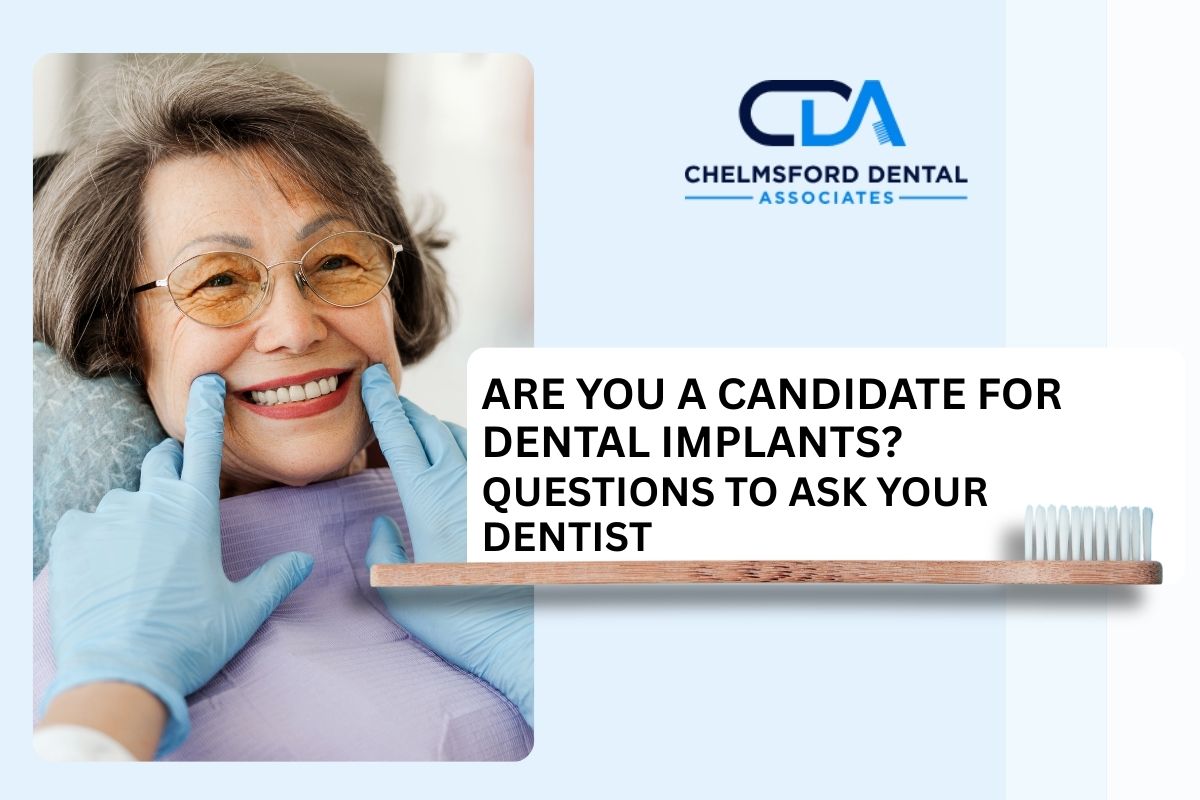
Dental implants are widely considered one of the most reliable and natural-looking solutions available today. But how do you know if they are right for you? The answer starts with understanding your health, your goals, and the right questions to ask during your consultation.
What Makes Someone a Good Candidate?
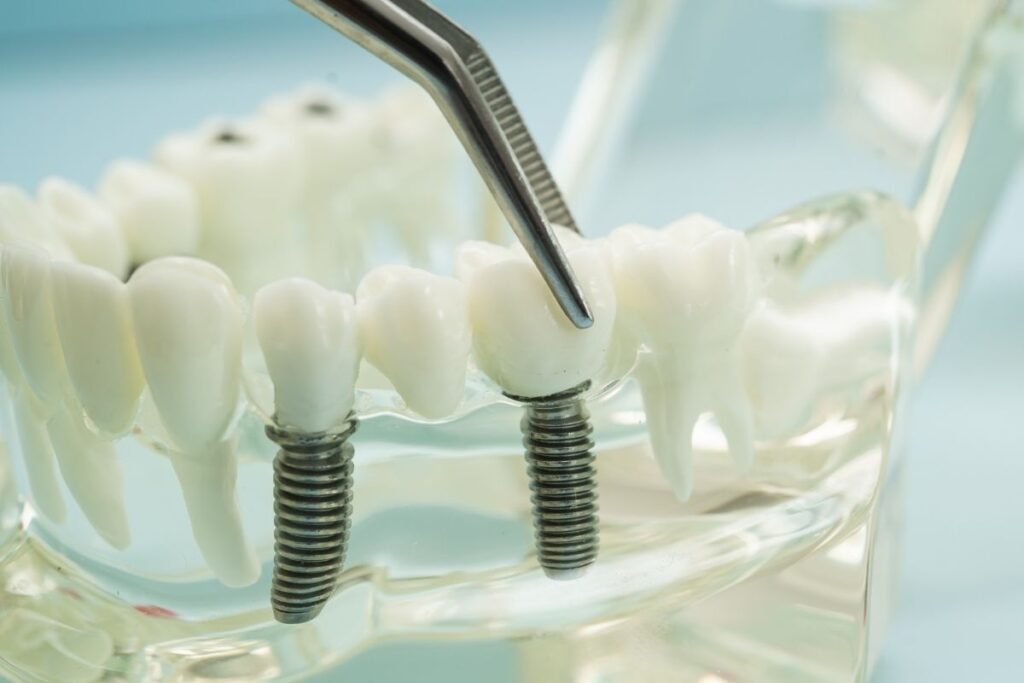
Dental implants are small titanium posts placed into the jawbone to replace missing tooth roots. Once healed, they support a crown, bridge, or denture that looks and functions like a natural tooth.
In general, strong candidates:
- Have one or more missing teeth
- Have healthy gums
- Possess adequate jawbone density
- Are in stable overall health
- Practice good oral hygiene
However, candidacy is not always black and white. Even if you have experienced bone loss or have certain medical conditions, modern techniques often make treatment possible. The key is a thorough, personalized evaluation.
Many patients exploring dental implants in chelmsford are surprised to learn that advancements in imaging and surgical planning have expanded eligibility significantly compared to years past.
Is My Jawbone Strong Enough?
One of the most important questions to ask is whether your jawbone can support an implant. When a tooth has been missing for some time, the bone in that area begins to shrink due to lack of stimulation.
During your consultation, your dentist will likely use 3D imaging to evaluate:
- Bone height and width
- Bone density
- Proximity to sinuses or nerves
If bone loss is present, procedures such as bone grafting can rebuild the foundation. Acting sooner rather than later helps preserve more of your natural bone structure.
Ask your dentist:
- Do I currently have enough bone for an implant?
- Would grafting improve my long-term success?
- What happens if I wait another year?
Understanding these details helps you make a confident decision.
How Important Is Gum Health?
Healthy gums are essential for implant success. Active gum disease can compromise healing and stability.
If inflammation is detected, your dentist may recommend periodontal treatment before implant placement. This step ensures that the surrounding tissue can properly support the restoration.
You might ask:
- Are my gums healthy enough right now?
- What steps can I take to improve gum health before surgery?
Treating gum concerns first protects your investment and improves outcomes.
What Is the Timeline Like?
Dental implants are not usually completed in a single appointment. The process typically includes:
- Implant placement
- Healing period for bone integration
- Placement of the final restoration
The healing phase allows the implant to fuse with the jawbone in a process called osseointegration. This integration is what gives implants their strength and stability.
Healing time varies, but most patients can continue their daily routines with minimal disruption. Understanding the timeline helps you plan around work, travel, and family commitments in Chelmsford.
How Will Implants Improve My Daily Life?
Beyond aesthetics, implants restore function. Patients often report that chewing feels natural again and that they no longer worry about shifting dentures or unstable bridges.
Benefits may include:
- Improved chewing efficiency
- Clearer speech
- Prevention of neighboring teeth shifting
- Preservation of facial structure
- Long-term durability
Unlike traditional bridges, implants do not require altering adjacent healthy teeth. They stand independently, supporting both function and long-term oral health.
For many individuals considering dental implants, the greatest benefit is renewed confidence. Being able to smile, speak, and eat comfortably can positively impact both personal and professional interactions.
What Are the Risks?
Dental implants have a high success rate, but informed patients should understand potential risks. These may include infection, delayed healing, or implant failure in rare cases.
To minimize risk, ask:
- What technology do you use for placement?
- How do you ensure precision?
- What can I do to support healing?
Advanced digital planning and guided placement techniques greatly improve accuracy and predictability.
Do Lifestyle Habits Matter?
Yes, they do. Smoking can slow healing and increase the risk of complications. Grinding your teeth may require a protective nightguard after restoration. Maintaining excellent oral hygiene is essential to keep surrounding tissue healthy.
Small lifestyle adjustments can significantly extend the lifespan of your implant.
Are Implants Always the Best Option?
While implants are often ideal, they are not the only solution. Bridges or dentures may still be appropriate depending on your health, budget, and timeline.
A comprehensive consultation should include a discussion of all available options. The goal is to align treatment with your personal priorities, not simply recommend one universal solution.
Are You Searching If Implants Are Right for You?
If you are considering replacing missing teeth, a personalized evaluation is the best place to start.
Contact Chelmsford Dental Associates today to schedule your comprehensive consultation. Our experienced team proudly serves the Chelmsford community with advanced diagnostics, precise planning, and compassionate care. Let us help you determine whether dental implants can restore your smile, comfort, and confidence for years to come.