By Chelmsford Dental Associates | May 8, 2026
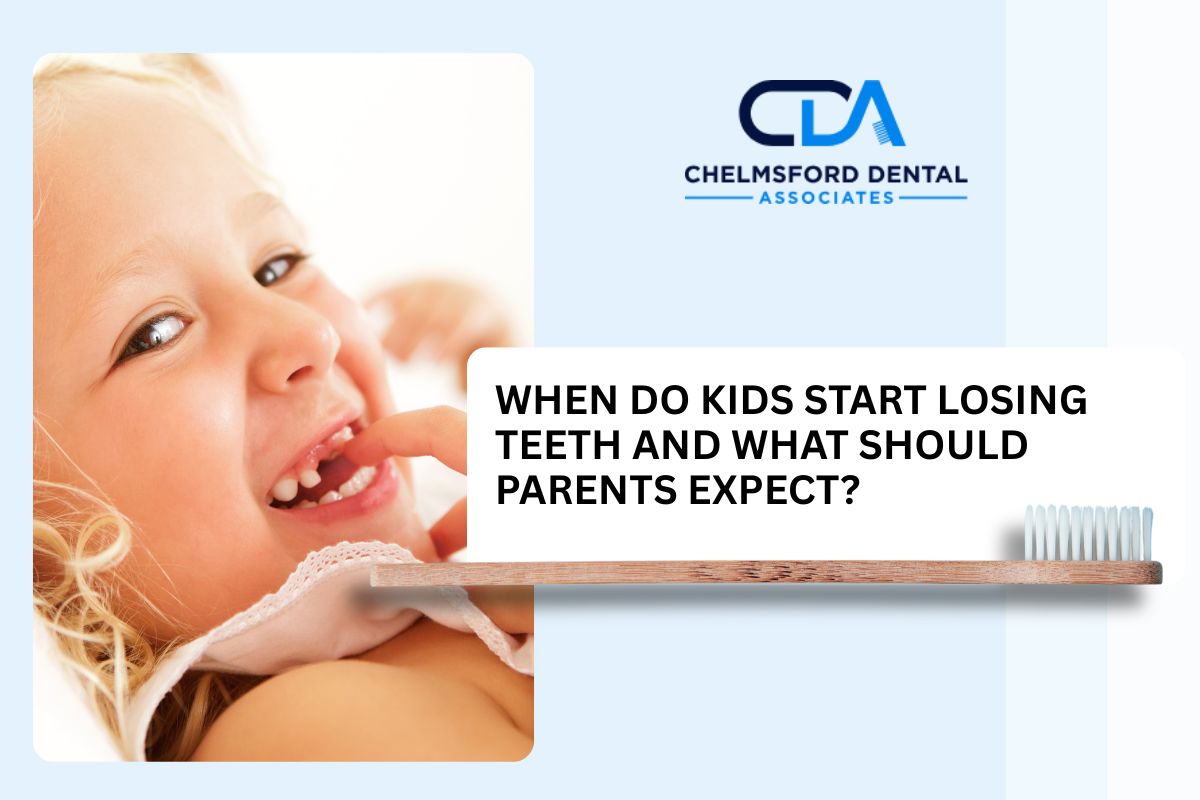
For many parents, a child losing their first tooth feels like a major milestone. One day your child is showing off tiny baby teeth in school photos, and before you know it, there is a loose tooth at the dinner table and excitement about the Tooth Fairy.
Still, a lot of parents wonder whether everything is happening at the right time. Is six too early? Is eight too late? Should a loose tooth hurt? And what happens if adult teeth start coming in before the baby tooth falls out?
These questions are completely normal. Every child develops differently, but understanding the general timeline can help parents feel more prepared during this stage.
If your family has questions about dental development, preventive care, or growing smiles, learning more about pediatric dentistry services can help you understand what to expect as your child grows.
At What Age Do Kids Usually Start Losing Teeth?
Most children begin losing baby teeth around ages 5 to 7. In many cases, the bottom front teeth are the first to loosen and fall out.
Typically, the process follows the same order in which the baby teeth originally appeared.
Here is a general timeline many parents notice:
- Ages 5–7: Bottom and top front teeth loosen
- Ages 7–9: Teeth beside the front teeth begin falling out
- Ages 9–12: Molars and remaining baby teeth are replaced
Some children lose teeth earlier, while others are a little later. Genetics, growth patterns, and overall dental development all play a role.
Why Do Baby Teeth Fall Out?
Baby teeth act as placeholders for permanent teeth underneath the gums.
As adult teeth begin moving upward, they slowly dissolve the roots of the baby teeth. Once the roots become loose enough, the tooth eventually falls out naturally.
That wobbling tooth your child keeps touching with their tongue? That is usually a sign the process is working exactly as it should.
What Parents Can Expect During This Stage
Every child reacts differently to loose teeth.
Some are excited and constantly checking the mirror. Others become nervous about seeing blood or feeling movement in their mouth.
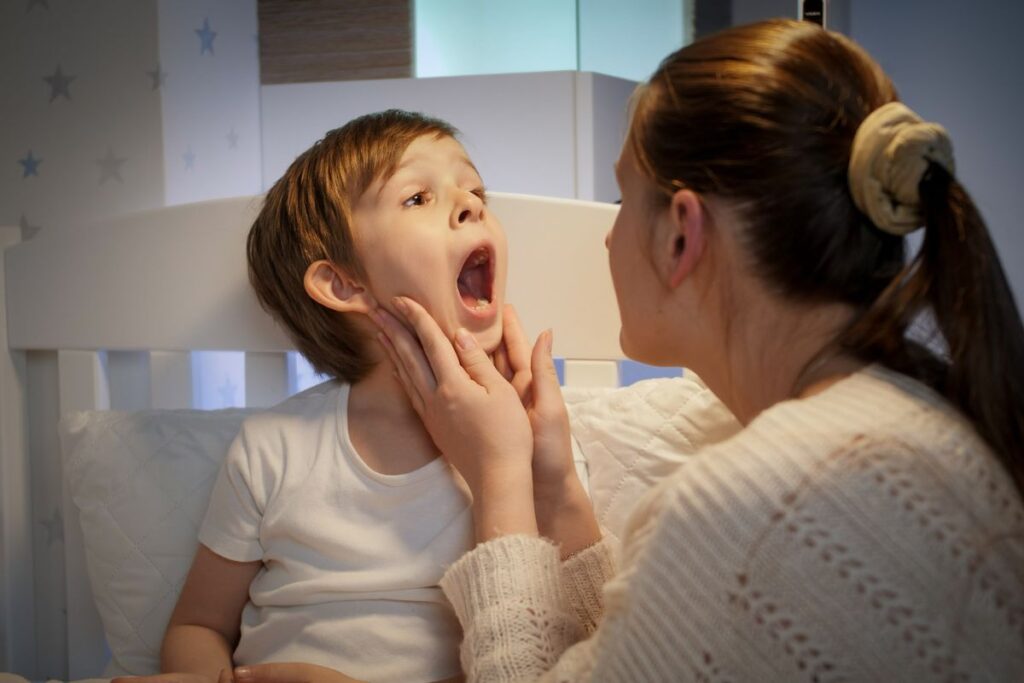
Parents often notice things like:
- Increased wiggling of the tooth
- Mild tenderness around the gums
- Gaps between teeth
- Temporary changes in speech
- Sensitivity while eating crunchy foods
Most of the time, these changes are completely normal.
Should Parents Pull a Loose Tooth?
In most situations, it is best to let the tooth fall out naturally.
If the tooth is barely hanging on and your child is comfortable, gentle removal may be fine. But forcing a tooth out too early can irritate the gums and cause unnecessary discomfort.
A good rule is simple: if the tooth still feels firmly attached or painful when touched, it probably is not ready yet.
What If the Adult Tooth Starts Coming In First?
This situation surprises many parents.
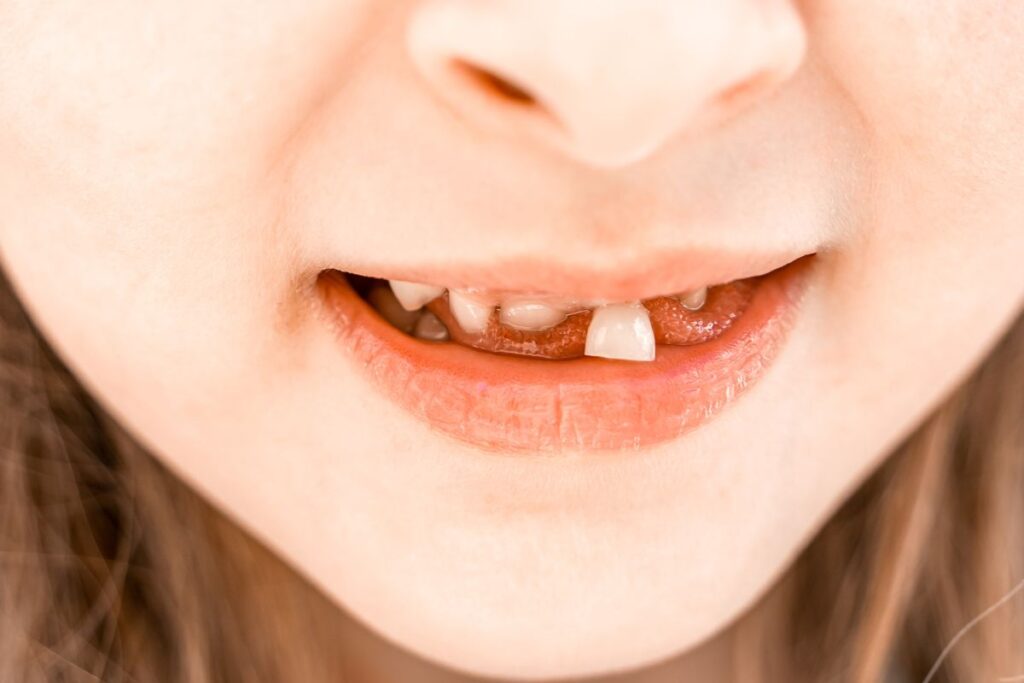
Sometimes the permanent tooth begins appearing behind the baby tooth before the loose tooth falls out. This is especially common with lower front teeth and is sometimes called “shark teeth.”
In many cases, the baby tooth loosens naturally shortly afterward. However, if the tooth remains stuck or crowded, it may be a good idea to schedule a dental evaluation.
Families looking for guidance on pediatric dentistry Chelmsford services often ask about this exact issue because it can look alarming at first.
Signs That a Child May Need a Dental Visit
While losing teeth is usually routine, there are situations where professional care may help.
Parents should consider a dental visit if:
- Teeth seem extremely delayed
- A loose tooth causes significant pain
- Adult teeth appear severely crowded
- There is swelling or infection
- A tooth is knocked out due to injury
- Baby teeth are not falling out naturally
Regular dental checkups can help monitor development and identify potential concerns early.
Helping Kids Feel Comfortable During Tooth Loss
For some children, losing teeth feels exciting. For others, it can feel strange or even scary.
Parents can make the experience easier by:
- Keeping the mood relaxed and positive
- Explaining what is happening in simple terms
- Offering softer foods if gums feel sore
- Encouraging gentle brushing around loose teeth
- Celebrating milestones in a fun way
Even small moments, like putting a tooth under the pillow or taking a “first missing tooth” photo, can help children feel more confident during the process.
The Importance of Early Dental Care
Even though baby teeth eventually fall out, they still play a major role in a child’s oral health.
Healthy baby teeth help children:
- Speak clearly
- Chew comfortably
- Maintain space for adult teeth
- Develop proper jaw growth
- Build healthy hygiene habits early
That is why routine dental visits remain important throughout childhood.
Many local families searching for a dentist in Chelmsford for kids want a dental team that helps children feel comfortable while also educating parents about growth and development.
What Happens After Baby Teeth Fall Out?
Once permanent teeth begin coming in, this becomes an important stage for reinforcing good habits.
Parents should continue encouraging:
- Twice-daily brushing
- Flossing routines
- Healthy snack choices
- Regular dental checkups
- Wearing mouthguards during sports
The earlier children learn healthy habits, the easier it becomes to maintain good oral health as they grow older.
Final Thoughts
Watching your child lose their first tooth is one of those childhood moments parents tend to remember for years. While every child develops at their own pace, understanding the normal timeline can make the process feel far less stressful.
If you have questions about your child’s dental development, loose teeth, or overall oral health, the team at Chelmsford Dental Associates is here to help families throughout Chelmsford and nearby communities feel informed and supported. Scheduling a visit is a simple way to make sure your child’s teeth are developing properly and comfortably.
FAQs
Is it normal for a 5-year-old to lose teeth?
Yes. Many children begin losing baby teeth between ages 5 and 7.
Which teeth usually fall out first?
The lower front teeth are often the first baby teeth to loosen and fall out.
What if my child swallows a loose tooth?
In most cases, swallowing a baby tooth accidentally is harmless.
Should loose teeth bleed?
A small amount of bleeding is normal when a tooth falls out naturally.
When should I worry about delayed tooth loss?
If your child has not started losing teeth by around age 7 or 8, it may be worth discussing with a dentist.
Can permanent teeth come in behind baby teeth?
Yes. This is fairly common and often resolves naturally, though some cases may require dental evaluation.