
By Chelmsford Dental Associates | September 17, 2026
A removable tooth replacement should help you eat, speak, and smile comfortably. However, the shape of your gums and jaw can gradually change, while the appliance itself can wear down from years of daily use. These changes may eventually affect comfort, stability, bite alignment, and appearance.
At Chelmsford Dental Associates, Dr. Fadjo can evaluate changes in fit and function to determine whether an adjustment, denture reline, repair, or replacement is appropriate. Knowing the warning signs can help you address problems before they begin interfering with everyday life.
How Do You Know When Dentures Need to Be Replaced?
Age alone does not determine when dentures should be replaced. Their condition, fit, chewing function, and changes in your mouth all matter. Some appliances can be adjusted or relined, while significant wear or structural problems may make replacement more appropriate.
Here are 9 signs worth discussing with a dental professional.
1. They Feel Loose or Move Around
A secure appliance should remain reasonably stable during normal speaking and eating. If it starts slipping, rocking, or lifting away from your gums, your oral tissues or jaw ridge may have changed.
Using more adhesive may temporarily improve stability, but it does not correct the underlying fit. A professional denture evaluation can identify the reason for the movement.
2. You Have Trouble Chewing Foods You Previously Ate
Pay attention if foods that were once manageable become increasingly difficult to chew. Worn artificial teeth or changes in the bite can reduce chewing efficiency.
Persistent difficulty chewing should not simply be accepted as part of getting older. A dental examination can determine whether the appliance still functions appropriately.
3. You Develop Recurring Gum Soreness
Occasional irritation can occur after receiving a new appliance. Recurring sore spots, especially an older one, deserve attention.
Poorly fitting dentures can place uneven pressure on gum tissue. If you notice recurring tenderness, redness, or irritation, have the fit professionally evaluated rather than attempting to reshape the appliance yourself.
4. Your Speech Has Changed
An appliance that moves out of position can affect how your tongue and lips form certain sounds. You might notice new clicking, whistling, slurring, or difficulty pronouncing words clearly.
If speech changes develop after years of comfortable use, changes in fit or tooth position may be contributing.
5. There Are Cracks, Chips, or Worn Artificial Teeth
Daily biting and chewing gradually place stress on the appliance. Look for visible cracks in the base, chipped replacement teeth, worn chewing surfaces, or other structural damage.
Patients considering replacement dentures in Chelmsford should have damaged appliances professionally assessed rather than attempting home repairs. Household glue and DIY adjustments can cause additional damage or create an improper fit.
6. Your Bite No Longer Feels Even
Your upper and lower teeth should meet in a balanced way. As artificial teeth wear or the supporting tissues change, your bite may begin to feel different.
You may notice that one side touches first or that chewing feels uneven. If this happens, visit our dental office so we can evaluate the bite, fit, and condition of the appliance.
7. You Need Increasing Amounts of Adhesive
Denture adhesive can provide added security when used correctly, but needing progressively more may signal a fit problem.
Your gum and bone contours can change after tooth loss. As those supporting structures change, an older appliance may no longer closely follow the shape of your mouth.
8. Your Facial Appearance Seems Different
Tooth replacement also contributes to lip and facial support. Significant wear or changes in fit may affect how the lower face appears when your mouth is relaxed.
You might notice less lip support, changes around the mouth, or a difference in how your smile looks. A replacement can be designed with current facial proportions and bite relationships in mind.
9. They Are Several Years Old and No Longer Function Well
There is no single replacement schedule that applies to everyone. However, older dentures should be assessed regularly because both the materials and your mouth can change over time.
The American College of Prosthodontists notes that appliances often need to be remade when they become loose and lose their fit after years of use. Age combined with discomfort, instability, or visible wear is a strong reason to schedule an evaluation.
Do You Need a Replacement or Just a Reline?
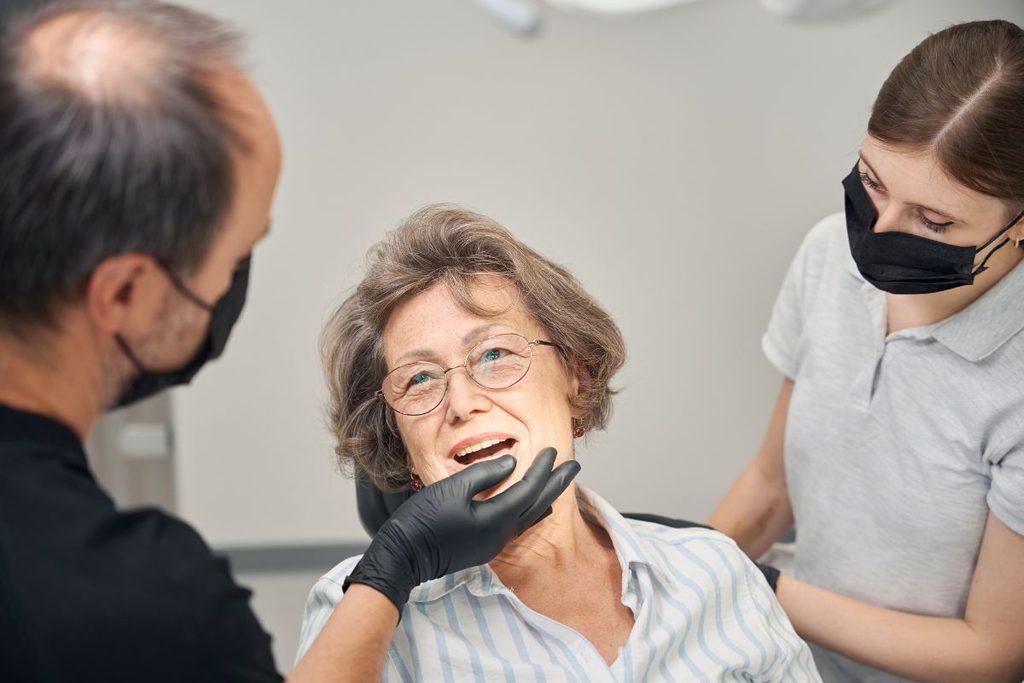
Not every loose appliance needs to be replaced. A denture reline modifies the surface that contacts the gums, helping improve contact when the appliance itself remains in good condition.
Replacement may make more sense when there is substantial tooth wear, repeated breakage, significant bite changes, extensive damage, or a poor fit that cannot be adequately corrected through adjustment or relining.
A dentist in Chelmsford can examine your gums, bite, jaw support, and current appliance before recommending the appropriate next step.
Why Should You Avoid Waiting Too Long?
Continuing to use poorly fitting dentures may make eating and speaking more difficult and can contribute to persistent sore areas. It can also make you dependent on increasing amounts of adhesive without addressing the reason the fit has changed.
Regular dental examinations remain important even if you no longer have natural teeth. These visits allow your dentist to examine the oral tissues and assess whether your tooth replacement continues to function properly.
Restore Comfort and Confidence in Chelmsford
A loose, worn, or uncomfortable appliance can affect how you eat, speak, and feel about your smile. A professional evaluation can determine whether an adjustment, reline, repair, or new set of dentures is the right option for restoring comfort and everyday function.
If you have noticed changes in fit, stability, chewing, or speech, book an appointment for an evaluation in Chelmsford. Call 978-942-7599 today to schedule your visit and take the next step toward a more comfortable, confident smile.
Frequently Asked Questions
How often should a removable tooth replacement be evaluated?
Regular dental examinations are important even when you have no natural teeth remaining. Your dentist can assess the appliance, gum tissue, bite, and changes in the jaw. These visits can identify developing fit problems before they become more uncomfortable.
Can a loose appliance be fixed without replacing it?
Sometimes. If the appliance remains structurally sound, a professional adjustment or reline may improve its fit. If there is extensive wear, damage, or a major change in the bite, your dentist may recommend replacement instead.
Why does my appliance become loose over time?
The bone and gum tissues supporting a removable tooth replacement can gradually change after tooth loss. As the contours of your mouth change, an appliance made for its previous shape may become less stable.
Should I use more adhesive when the fit becomes loose?
Adhesive may provide temporary additional stability, but increasing dependence on it can indicate that the fit should be checked. A dental evaluation can identify whether adjustment, relining, or replacement is appropriate.
Can an old appliance cause sore gums?
An appliance that no longer fits correctly can create uneven pressure and friction against oral tissues. Repeated sore spots, irritation, or discomfort should be professionally evaluated rather than managed with home adjustments.
What should I do if my tooth replacement cracks?
Stop trying to repair it with household glue or DIY materials. Improper repairs can alter the fit or make professional repair more difficult. Bring the appliance to a dental professional so its condition can be assessed and the appropriate repair or replacement option discussed.