

By Chelmsford Dental Associates | July 3, 2026
A headache that won’t go away or persistent jaw discomfort isn’t always caused by stress or a sinus problem. In some cases, your wisdom teeth may be contributing to the pain—especially if they’re impacted or don’t have enough room to erupt properly.
At Chelmsford Dental Associates, patients often ask whether wisdom teeth can affect areas beyond the back of the mouth. If you’ve been searching for oral surgery Chelmsford or looking into wisdom teeth removal in Chelmsford, understanding the connection between wisdom teeth, headaches, and jaw pain can help you decide when it’s time for a professional evaluation.
Can Wisdom Teeth Really Cause Headaches?
Yes, they can.
When wisdom teeth become impacted or begin pushing against neighboring teeth, they can place pressure on surrounding tissues and jaw structures. This pressure may contribute to discomfort that spreads beyond the mouth.
Although not every headache is related to wisdom teeth, some people experience:
- Pain that radiates toward the temples
- Pressure around the jaw and ears
- Headaches that worsen while chewing
- Facial soreness accompanying jaw discomfort
Because headaches can have many different causes, a dental examination is the best way to determine whether your wisdom teeth are contributing to your symptoms.
Why Can Wisdom Teeth Lead to Jaw Pain?
Wisdom teeth are the last permanent teeth to develop, and many people don’t have enough space in their jaws for them to erupt normally.
When this happens, they may become:
- Partially erupted
- Trapped beneath the gums
- Impacted against nearby teeth
- Positioned at an angle
These conditions can place stress on the surrounding tissues and jaw, leading to discomfort that may become more noticeable over time.
How Does an Impacted Wisdom Tooth Affect the Jaw?
When a wisdom tooth doesn’t erupt properly, it can create pressure in the surrounding area.
This pressure may contribute to:
Jaw Stiffness
Opening your mouth wide or chewing may become uncomfortable if the surrounding muscles and tissues are irritated.
Tenderness Near the Back of the Mouth
Pain often begins near the wisdom tooth itself before spreading toward the jaw or ear.
Difficulty Chewing
Inflamed gums and pressure around impacted teeth may make chewing certain foods uncomfortable.
Pain That Comes and Goes
Some patients notice symptoms only occasionally, while others experience increasing discomfort as the tooth continues to develop.
Common Signs Your Wisdom Teeth May Be Causing the Problem

Although symptoms vary from person to person, impacted wisdom teeth commonly cause:
- Jaw pain or stiffness
- Frequent headaches
- Swollen or tender gums
- Pain while chewing
- Difficulty opening the mouth fully
- Bad breath caused by trapped bacteria
- Swelling around the back teeth
- Ear discomfort without an ear infection
Experiencing one or more of these symptoms doesn’t necessarily mean your wisdom teeth are the cause, but they do warrant a professional evaluation.
Can the Pain Spread Beyond Your Mouth?
Yes.
The nerves and muscles around the jaw are closely connected, which means discomfort from impacted wisdom teeth can sometimes be felt in nearby areas.
Some patients report pain affecting:
- The temples
- The cheeks
- The ears
- The lower jaw
- The neck
Because these symptoms can overlap with other medical or dental conditions, an examination is the safest way to determine the underlying cause.
If you’d like to learn more about treatment options, visit our Oral Surgery page for additional information.
When Should Wisdom Teeth Be Removed?
Not every wisdom tooth needs to be extracted. If your wisdom teeth are healthy, fully erupted, and easy to clean, your dentist may simply recommend monitoring them during routine checkups.
However, removal may be recommended if your wisdom teeth are:
- Impacted beneath the gums
- Causing recurring pain or swelling
- Damaging neighboring teeth
- Contributing to frequent infections
- Difficult to clean because of their position
- Associated with cysts or other complications
An examination, along with digital X-rays, helps determine whether extraction is the most appropriate treatment for your situation.
How Is Wisdom Teeth Removal Performed?
Every patient’s treatment plan is different, but wisdom teeth removal generally begins with a comprehensive evaluation.
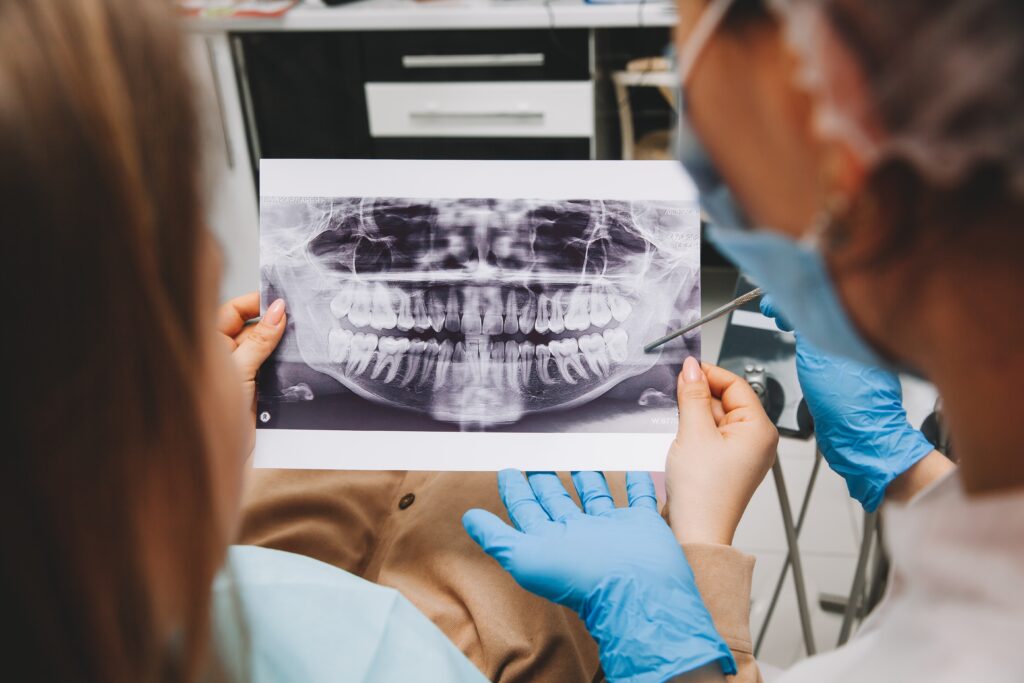
During your visit, your dentist or oral surgeon will:
- Review your symptoms
- Examine your teeth and jaw
- Take digital X-rays if needed
- Discuss the position of your wisdom teeth
- Explain your treatment options
- Review anesthesia or sedation choices when appropriate
If extraction is recommended, you’ll receive detailed instructions to help you prepare for the procedure and recover comfortably afterward.
Can Removing Wisdom Teeth Relieve Headaches and Jaw Pain?
If impacted wisdom teeth are the source of your discomfort, removing them may help reduce the pressure contributing to your symptoms.
Many patients notice improvement once the affected teeth have been treated and the surrounding tissues have healed. However, because headaches and jaw pain can have many causes, an accurate diagnosis is essential before deciding on treatment.
Quick Answer
Can wisdom teeth cause headaches or jaw pain?
Yes. Impacted or improperly positioned wisdom teeth can place pressure on nearby tissues, muscles, and adjacent teeth, which may contribute to headaches, jaw pain, facial discomfort, and difficulty chewing. A professional examination is the best way to determine whether your wisdom teeth are responsible for these symptoms.
Myth vs. Fact
Myth: Every headache means your wisdom teeth need to be removed.
Fact: Headaches can result from many conditions. A dental evaluation helps determine whether your wisdom teeth are contributing to your symptoms.
Myth: If wisdom teeth don’t hurt every day, they’re not causing problems.
Fact: Impacted wisdom teeth can cause intermittent discomfort and may still lead to complications even if the pain comes and goes.
Myth: All wisdom teeth must be extracted.
Fact: Healthy wisdom teeth that erupt properly and can be cleaned effectively may not require removal. Treatment recommendations depend on your individual oral health.
Don’t Ignore Persistent Jaw Pain or Headaches
If you’re experiencing recurring headaches, jaw discomfort, or swelling near the back of your mouth, it’s worth having your wisdom teeth evaluated. Identifying the cause early can help prevent more serious dental problems and provide appropriate treatment before symptoms worsen.
Schedule an Evaluation Today
If you’ve been experiencing symptoms that may be related to your wisdom teeth, our team is here to help. We’ll perform a thorough examination, discuss your findings, and recommend the treatment that’s best suited to your needs.
Call us at (978) 942-7599 to schedule your appointment.
Frequently Asked Questions
1. Can impacted wisdom teeth cause headaches every day?
They can in some cases, particularly if they’re placing continuous pressure on surrounding tissues or neighboring teeth. However, headaches have many possible causes, so an examination is needed to identify the source.
2. How do I know if my jaw pain is caused by wisdom teeth?
Jaw pain related to wisdom teeth is often accompanied by swelling, tenderness near the back of the mouth, difficulty chewing, or discomfort when opening the mouth. A dental evaluation and X-rays can help confirm the cause.
3. Will jaw pain go away after wisdom teeth removal?
If your impacted wisdom teeth are causing the discomfort, many patients experience relief after the area has healed. Recovery varies depending on the individual and the complexity of the extraction.
4. Is wisdom teeth removal considered oral surgery?
Yes. Wisdom teeth extraction is a common oral surgery procedure, especially when the teeth are impacted or positioned below the gums.
5. When should I seek treatment for wisdom tooth pain?
You should schedule an evaluation if you experience persistent jaw pain, recurring headaches, swelling, signs of infection, or difficulty chewing or opening your mouth comfortably.