By Chelmsford Dental Associates | September 10, 2026
A chipped, stained, uneven, or slightly spaced tooth can affect the overall appearance of your smile. Modern cosmetic dentistry offers several ways to address these concerns while maintaining a natural appearance. Two commonly considered treatments are dental veneers and dental bonding, but they differ in materials, preparation, durability, and the types of cosmetic concerns they can address.
At Chelmsford Dental Associates, Dr. Fadjo evaluates each patient’s teeth, gums, bite, and aesthetic goals before discussing possible treatment options. Learning how these two treatments compare can help you prepare for a productive conversation with a cosmetic dentist and make an informed decision about your smile.
What Are Dental Veneers?
Dental veneers are thin shells placed over the visible surfaces of teeth to improve their appearance. They are commonly made from porcelain or other ceramic materials and are designed to resemble natural tooth enamel.
They may be considered for several cosmetic concerns, including:
- Persistent tooth discoloration
- Chipped or worn teeth
- Small spaces between teeth
- Uneven tooth shapes or sizes
- Minor cosmetic irregularities
- Teeth that appear disproportionate within the smile
Porcelain restorations are individually designed to complement the shade, size, and shape of surrounding teeth. Traditional veneers usually require the removal of a small amount of enamel, making careful planning important before treatment begins.
How Does Dental Bonding Improve a Tooth?
Dental bonding uses tooth-colored composite resin to change the appearance of a tooth. The resin is applied directly to the tooth, shaped to achieve the desired contour, hardened with a curing light, and polished.
This procedure may be appropriate for relatively minor cosmetic changes, such as repairing a small chip, filling a narrow space, improving tooth shape, or concealing certain areas of discoloration.
Because dental bonding usually involves minimal alteration of natural enamel, it is considered a conservative cosmetic option. Many cases can also be completed in a single dental visit.
Veneers vs Bonding: What Are the Main Differences?
Although both treatments can improve smile aesthetics, their materials and procedures differ.
| Comparison | Veneers | Bonding |
| Material | Usually porcelain or ceramic | Composite resin |
| Common purpose | Broader cosmetic changes | Minor cosmetic corrections |
| Tooth preparation | Some enamel removal is usually necessary | Usually minimal |
| Treatment time | Often requires multiple steps or visits | Frequently completed in one visit |
| Stain resistance | Porcelain is highly resistant to staining | Composite can develop stains over time |
| Appearance | Custom-created for color, size, and shape | Sculpted directly on the tooth |
| Repair | Damage may require repair or replacement | Composite can often be repaired |
| Maintenance | Routine oral hygiene and dental visits | Routine care plus monitoring for wear or staining |
The right option depends on much more than appearance. A cosmetic dentist should evaluate the health and structure of the teeth before recommending either procedure.
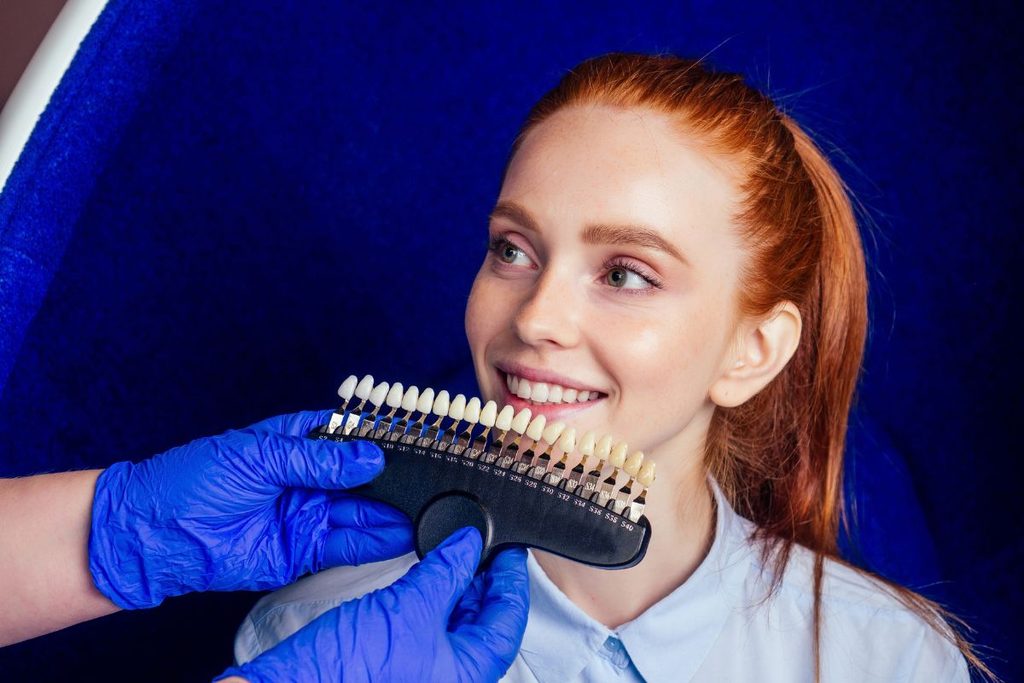
Which Cosmetic Treatment Fits Your Smile Goals?
Your specific cosmetic concern is an important part of deciding between the two procedures.
Someone seeking changes to the color, shape, proportions, or overall appearance of several visible teeth may consider dental veneers. Their ability to cover the front surface of a tooth makes them useful when multiple aesthetic concerns need to be addressed together.
Dental bonding, on the other hand, may be appropriate when the desired change is relatively small. For example, composite resin can be used to reshape an uneven edge, repair a minor chip, or reduce the appearance of a small gap.
Patients exploring cosmetic dentistry in Chelmsford should consider their oral health, bite, enamel condition, number of teeth involved, and long-term expectations. You can visit our dental office for an evaluation to understand how these factors may influence your treatment options.
What Factors Should You Consider Before Choosing?
Cosmetic treatment should be based on your individual teeth rather than appearance alone. Before making a decision, consider:
- Number of teeth involved: Are you changing one tooth or several?
- Type of concern: Are you addressing color, shape, spacing, chips, or several concerns?
- Enamel condition: Is there enough healthy tooth structure to support the proposed procedure?
- Bite: Do your upper and lower teeth place excessive pressure on the treated area?
- Grinding or clenching: These habits can place additional stress on cosmetic restorations.
- Maintenance expectations: Are you comfortable with future polishing, repair, or replacement if necessary?
A thorough dental examination can identify decay, gum disease, bite problems, or other conditions that may need attention before elective cosmetic care begins.
How Long Can the Results Last?
Longevity varies between patients and depends on the material, bite forces, oral hygiene, diet, and daily habits.
Porcelain dental veneers can provide long-lasting cosmetic results when properly maintained. However, they are not permanent and may eventually require replacement.
Dental bonding can also provide lasting improvement, although composite resin is more susceptible to staining and wear. It may occasionally need polishing, repair, or replacement.
Whichever treatment you receive, avoid chewing ice, biting fingernails, opening packages with your teeth, or repeatedly chewing hard objects. Regular dental examinations can also help identify wear or damage early.
How Can You Decide Which Option Is Right for You?
Before deciding, think about what you actually want to change. A small imperfection on one tooth may require a very different approach than changing the appearance of several front teeth.
People often search online for a “cosmetic dentist near me” when they begin comparing smile enhancement options. Online research is useful for understanding treatments, but an in-person examination provides information that photos and general treatment descriptions cannot.
Your cosmetic dentist can examine your enamel, gums, bite, existing restorations, and tooth structure. From there, you can discuss your aesthetic priorities and realistic treatment outcomes.
Can Other Cosmetic Treatments Be Considered?
Yes. Veneers and bonding are not the only ways to enhance a smile. Depending on the concern, teeth whitening, orthodontic treatment, crowns, or another cosmetic procedure may be worth discussing.
For example, discoloration alone may respond to professional whitening, while more significant alignment concerns may be better addressed through orthodontic care. Dental bonding may be useful for a small contour change, while dental veneers may be considered when several cosmetic concerns affect the visible surface of a tooth.
A cosmetic dentist can explain the benefits, limitations, and expected maintenance associated with each appropriate option.
Take the Next Step Toward Your Smile Goals in Chelmsford
Choosing between dental bonding and dental veneers should begin with a clear understanding of your teeth and what you hope to change. Both procedures can enhance a smile when recommended for appropriate cosmetic concerns.
If you are considering improving the appearance of your smile, book an appointment for a cosmetic dental consultation in Chelmsford. A comprehensive evaluation can help you understand your options and choose a treatment plan based on your oral health, aesthetic goals, and long-term needs.
Frequently Asked Questions
1. Which treatment works for a small chipped tooth?
For a minor chip, dental bonding may be considered because composite resin can be shaped directly onto the affected area. The appropriate approach depends on the size and location of the chip, remaining tooth structure, and your bite.
2. Can veneers improve severely discolored teeth?
Yes, veneers may help conceal certain types of discoloration that do not respond sufficiently to whitening. The dentist will first evaluate the cause of the discoloration and determine whether a veneer or another treatment is appropriate.
3. Is cosmetic bonding painful?
Treatment usually requires little alteration to the natural tooth, and many patients need minimal or no anesthesia. The exact process depends on the location and extent of the cosmetic correction being made.
4. Can veneers close spaces between teeth?
Veneers can sometimes reduce the appearance of small gaps while improving tooth shape and proportions. Larger spaces or alignment problems may require an orthodontic assessment before cosmetic treatment is planned.
5. Will my cosmetic treatment look natural?
Modern porcelain and composite materials can be selected and shaped to coordinate with surrounding teeth. Shade, proportions, tooth anatomy, and overall smile balance are considered when planning a natural-looking result.
6. Do I need healthy teeth before cosmetic treatment?
Yes. Your dentist will generally evaluate your teeth and gums before elective cosmetic care. Cavities, gum inflammation, bite concerns, or other oral health problems may need to be addressed before proceeding with a cosmetic procedure.